6 Most Dangerous Roads in India: Must be Avoided
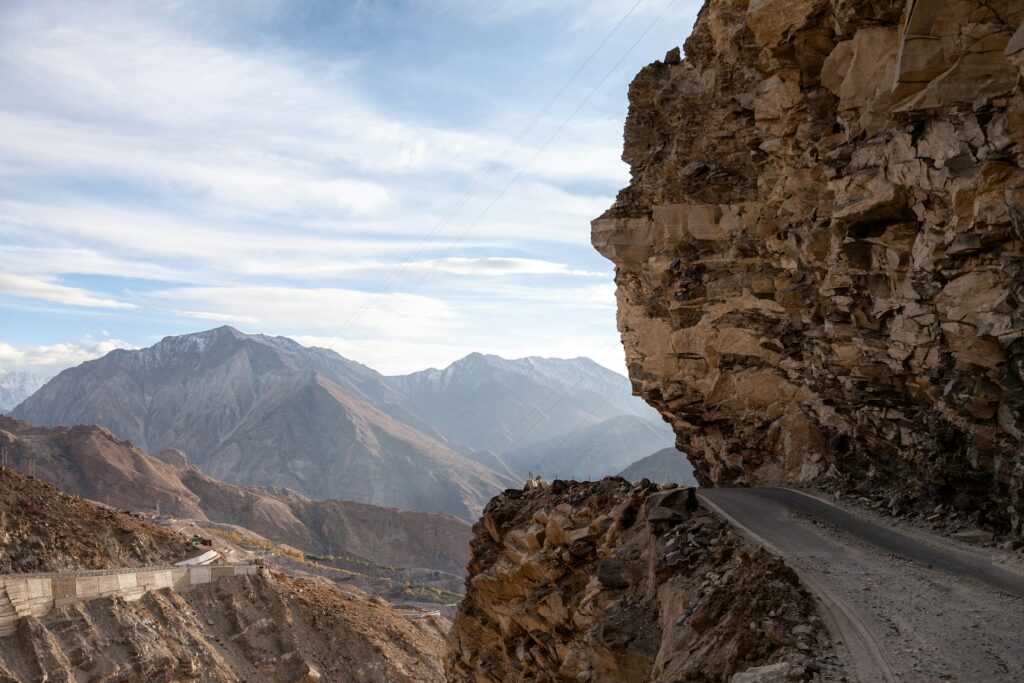
The detailed look at six of the most dangerous roads in India — roads that, because of terrain, weather, traffic, and design problems, are often flagged as high-risk and are commonly advised to be avoided unless absolutely necessary. I cover why each is dangerous, the risks involved, and some context.
NH‑44 (Srinagar → Kanyakumari) — especially Delhi/Haryana stretch
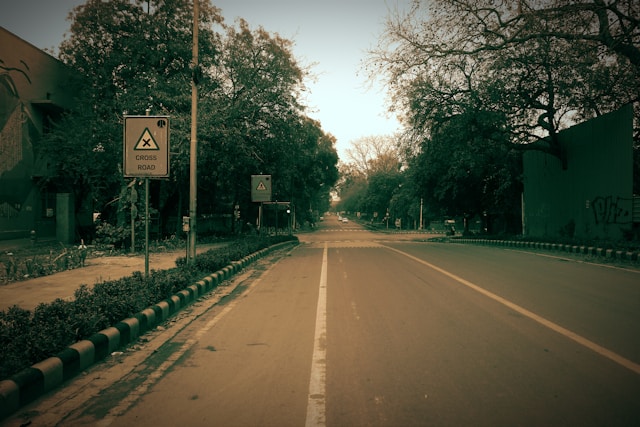
- Why it’s dangerous: Recent data shows the Delhi and Haryana sections of NH-44 are among the most hazardous in India.
- Accident statistics: For example, on a 266-km stretch within Haryana in 2023, there were 715 deaths — roughly three fatalities per kilometre.
- Problems & risk factors: The highway carries high volume of heavy vehicles and mixed traffic (trucks, buses, private cars), often at high speeds. Poor road design, illegal truck parking on shoulders, “black-spots” (accident-prone zones), inadequate pedestrian crossings, and wrong-side driving all contribute to frequent crashes.
- When to avoid it: Night driving, heavy-traffic hours, foggy or rainy conditions — especially in high-accident zones such as between Sonipat–Ambala or Faridabad–Palwal — should be avoided.
In short: on this highway, danger doesn’t come just from terrain, but volume + bad infrastructure + reckless driving.
Delhi–Kolkata Highway (NH 2)
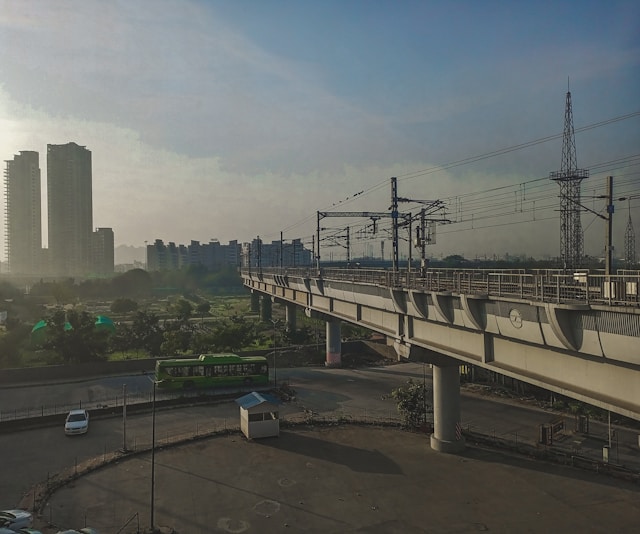
- Why it’s dangerous: Among national highways, NH 2 has been identified with the highest number of “black spots” — 59 such accident-prone segments along its ~1,465 km stretch.
- Traffic load & mix: It connects major population and commercial hubs — Delhi, Uttar Pradesh, Bihar, Jharkhand, West Bengal — meaning heavy traffic, frequent overtaking, and mixed vehicles (trucks, buses, private cars, two-wheelers).
- Common hazards: High-speed driving on long stretches, poor lighting or signage in rural/remote parts, negligent overtaking, and unsafe pedestrian crossings — especially near towns and villages — lead to many accidents.
- Who should avoid it: Night travelers, inexperienced drivers, or anyone sensitive to unpredictable conditions — especially if using stretches that pass through rural or congested areas.
Given its long length and heavy usage, the Delhi–Kolkata Highway remains one of the deadliest for long-distance travel in India.
Delhi–Mumbai Highway (NH‑8 / old NH‑8)
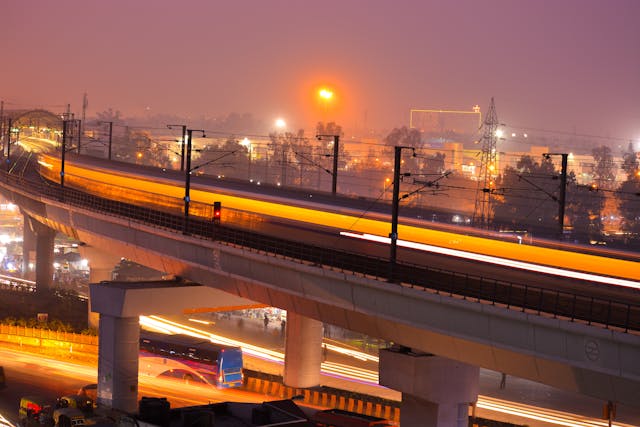
- Why it’s dangerous: Historically, this route has one of the highest numbers of black spots (about 45).
- Notorious stretches: The corridor between Delhi–Jaipur, and other high-density areas on this highway, have especially high fatality rates. For instance, between 2010 and 2015, a 230 km stretch on this route recorded on average 191 deaths annually.
- Factors adding to the danger: Heavy traffic volume (trucks, buses, private vehicles), mixed speeds (from slow-moving trucks to fast-moving cars), inadequate spacing between lanes, and frequent overtaking, make this highway particularly risky.
- When to avoid it: Peak traffic hours, night time, and near large junctions or urban zones — especially if overtaking or heavy-vehicle traffic is high.
This highway demonstrates how even well-known, major long-distance corridors in India can be among the most hazardous due to design and traffic mixture.
Leh–Manali Highway (High-Altitude Himalayan Route)

- Why it’s dangerous: This 428 km highway crosses multiple high Himalayan passes (e.g. Rohtang, Baralacha, Tanglang La) and often faces severe weather: snow, landslides, unpredictable storms, and low oxygen/high altitude.
- Terrain challenges: Narrow mountain paths, sharp hairpin curves, steep ascents/descents; in some stretches roads may have poor maintenance, loose gravel, or no guardrails.
- Weather and environmental hazards: Sudden snowstorms, rain, avalanches or rock-falls; sudden changes in weather can make roads slippery or visibility nearly zero.
- Who especially should avoid it: Drivers inexperienced in mountain driving, people not prepared for altitude sickness, or those unprepared for drastic weather changes — especially in winter or monsoon season.
This road is a stark reminder that in India, danger doesn’t only come from traffic — geography and climate can make a route lethal.
Zoji La Pass (Jammu & Kashmir / Srinagar–Leh Route)
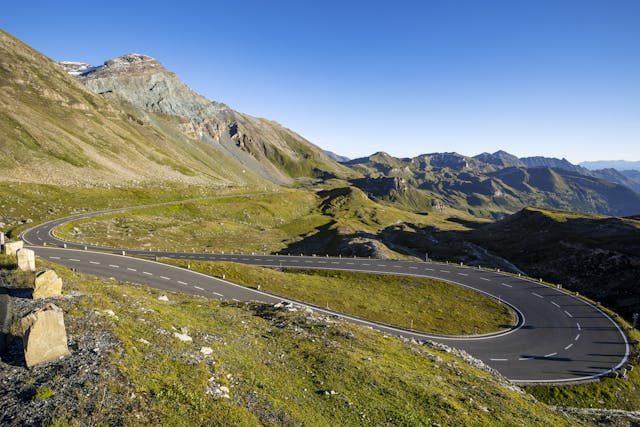
- Danger due to terrain and altitude: Zoji La is located at over 11,000 feet and features a narrow, winding road with steep slopes, often with no guardrails or proper traffic signage.
- Weather- and environment-related hazards: Snowstorms, snowdrifts, icy roads, sudden landslides — especially during winter — make this route extremely volatile and often impassable.
- Limited infrastructure & safety support: Because of the remote location, rescue or medical help may be delayed; also often lacking proper road maintenance or quick-response capabilities — increasing the risk if something goes wrong.
- When to avoid: Winters, snow seasons, times of heavy rain/landslides; also avoid without proper vehicle/equipment or experience in mountain driving.
Zoji La Pass stands out because its danger stems not from traffic, but from nature — high altitude, unpredictable weather, and harsh mountain terrain.
NH 33 (former NH 80) (Arwal → Farakka — Bihar/Jharkhand/West Bengal stretch)
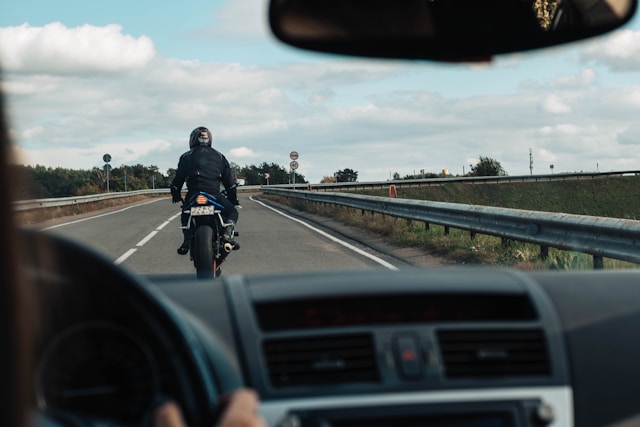
- Why it’s dangerous: This highway has been described as “one of the worst” in India — especially the stretch between Sahibganj and Farakka — with narrow lanes, frequent potholes, and accident-prone zones.
- Poor roadway conditions: Some segments are narrow; others have serious maintenance issues such as potholes, uneven surfaces, lack of proper road shoulders — making accidents more likely, especially at night or during rain.
- Mixed traffic and heavy transport use: As a link between Bihar, Jharkhand, and West Bengal — regions with significant transport of goods and materials — the highway sees many heavy vehicles, making overtaking, lane discipline, and visibility more hazardous.
- Who should avoid: Anyone traveling at night, during monsoon, or on a poorly maintained vehicle. Also avoid if you’re unfamiliar with rural/secondary highway conditions and lack emergency support.
While not as famous as Himalayan passes or major national highways, NH 33 exemplifies the danger in neglected, poorly maintained road infrastructure in rural or semi-urban parts of India.
Why “dangerous roads” remain a big problem in India: broader context
- According to historical data from the ministry-level reports (and media coverage), national highways in India have witnessed tens of thousands of fatal accidents annually.
- The concept of “black spots” — specific dangerous zones on highways with repeated accidents — is common; many of the roads above have multiple black spots due to mixture of high speed, bad design (sharp bends, narrow width), poor maintenance, and heavy traffic.
- In many rural or mountainous roads, additional hazards — landslides, snow, unpredictable weather, lack of guardrails or lighting — further raise the risk.
Some Important Caveats & Advice
- “Dangerous” doesn’t mean “never use” — many of these roads are critical connectivity routes (for trade, travel, tourism, local transport). Avoiding them altogether may not always be possible.
- Risk depends heavily on conditions: Time of day, weather, vehicle type, maintenance, driver skill — all influence danger levels. A well-maintained (or recently repaired) section may be much safer than others.
- Preparation helps: If travel on these roads is unavoidable: check weather/road advisories; choose daylight hours; ensure vehicle is in good condition; avoid speeding; avoid driving under the influence; keep emergency contacts and first-aid ready.
- Alternative routes or transport: Where possible, prefer safer highways, trains, or alternate transport — especially for long-distance travel across hazardous segments.
FAQ on 6 Most Dangerous Roads in India
1. Which are the most dangerous roads in India?
The 6 most dangerous roads in India commonly known for risk and challenging terrain are:
- Khardung La Pass Road (Ladakh)
- Zoji La Pass Road (Jammu & Kashmir)
- Rohtang Pass Road (Himachal Pradesh)
- Kinnaur Road – NH-22 (Himachal Pradesh)
- Sela Pass Road (Arunachal Pradesh)
- Nathula Pass Road (Sikkim)
2. What makes Khardung La Pass dangerous?
- Extremely high altitude (over 17,500 ft)
- Landslides and avalanches in winter
- Narrow, slippery stretches
- Reduced oxygen causing altitude sickness
Travelers must carry warm clothes and acclimatize properly.
3. Why is Zoji La called one of India’s scariest roads?
Zoji La features:
- Sharp cliff edges
- Lack of solid barriers
- Frequent snowfall
- Heavy movement of military and civilian vehicles
The mud surface during monsoon makes driving even tougher.
4. Is Rohtang Pass a risky route for tourists?
Yes, due to:
- Rapid weather changes
- Fog, snow, and slippery patches
- Frequent traffic congestion
Permits are required, and authorities often close it during harsh weather.
5. Why is the Kinnaur Road (NH-22) considered dangerous?
Because it has:
- Roads carved out of vertical mountain cliffs
- Blind curves
- Falling rocks and landslides
- Narrow single-lane stretches
It is often called “The Deadly Road of Himalayas.”
6. What are the risks of driving on Sela Pass Road?
Major dangers include:
- Sub-zero temperatures
- Snow-covered sharp bends
- Thin air causing fatigue
Despite risks, it is a scenic entryway to Tawang.
7. What makes Nathula Pass a challenging drive?
- Ice buildup
- Dangerous hairpin bends
- Military checkpoints
Also, altitude often causes breathing issues.
8. Can tourists drive themselves on these roads?
Yes, but professional driving experience in hills is highly recommended.
Hiring a local driver or SUV is safer.
9. What type of vehicles are suitable for dangerous mountain roads?
Better choices include:
- 4×4 SUVs
- High-ground clearance vehicles
- Good traction tires
Motorcyclists prefer Royal Enfield, Himalayan, KTM models.
10. What safety tips should travelers follow?
- Check weather forecast
- Carry first-aid and warm clothing
- Keep extra fuel and snacks
- Maintain slow speed
- Avoid driving after sunset
Always follow local administration advisory.
11. Are these roads suitable for elderly people or children?
They can travel, but:
- Proper acclimatization
- Medical preparations
- Avoiding extremely cold periods
are necessary.
12. Which season is safest to travel?
Summer and early autumn (April–October) are safer.
Winter brings snow, road closures, low visibility, and landslides.


0 Comments