Wildlife Sanctuaries and National Parks: For Animal Lovers
Overview

India is well equipped with Wildlife and consists of about 574 wildlife Sanctuaries, 100 National Parks and 53 tiger reserves. These wildlife Sanctuaries and National Parks are spread across almost all parts of India. There is a long history of National Parks in India. These are found from the beginning of the 20th century, and the famous Jim Corbett National Park, which was also known as Hailey National Park, was the first National Park established in India.
It was the start of proper conservation of wildlife in India. The name of this Park was inspired by the Corbett, who made various efforts to protect and promote Bengal tigers and other animals and therefore it gave an idea to establish more and more wildlife Sanctuaries in the country.
India is a country blessed with nature and therefore has a large variety of animals and birds and to preserve them, proper arrangements are to be made. In this regard, the government of India, in collaboration with state governments and NGO, made efforts to establish a large number of Wildlife Sanctuaries and National Parks.
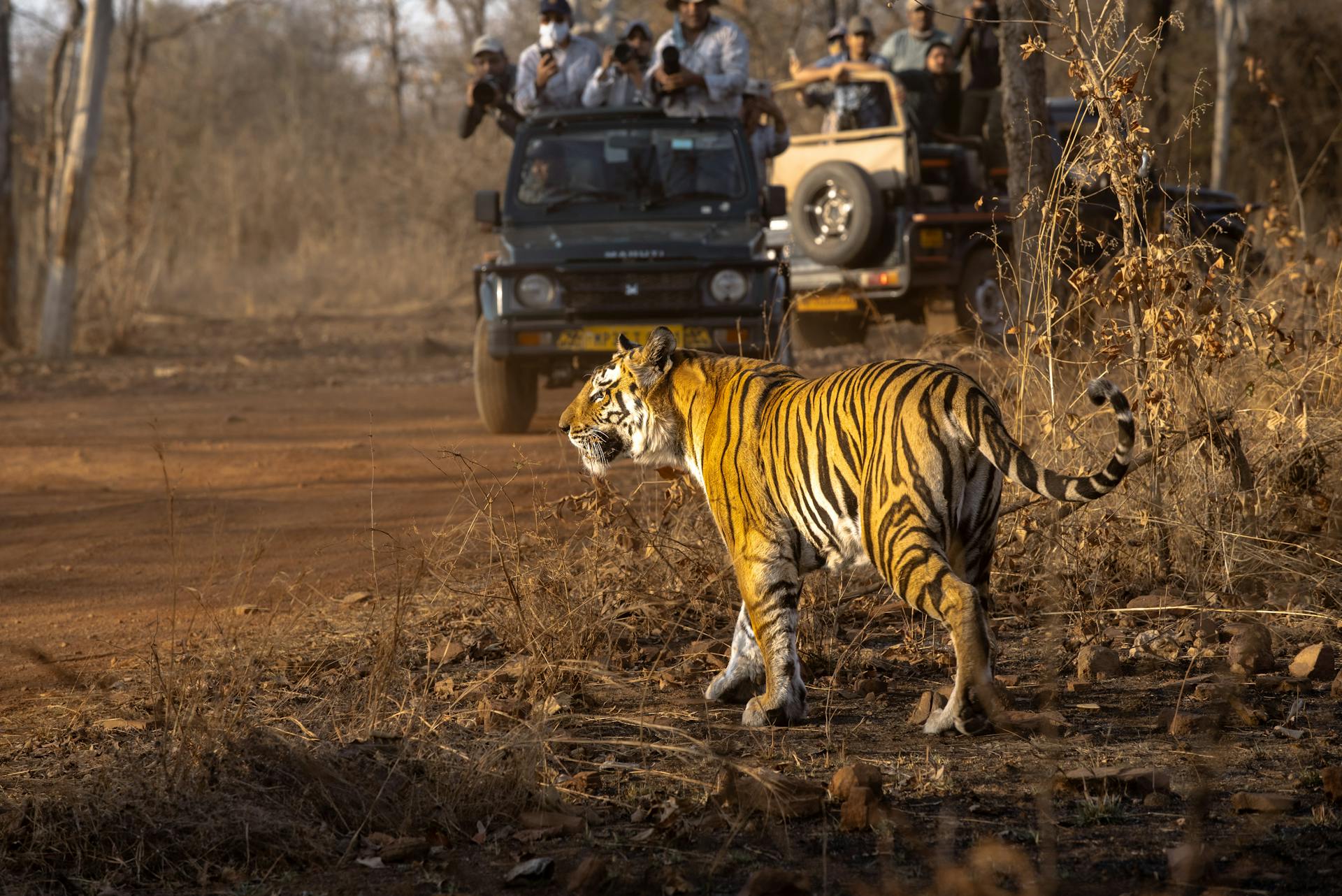
The main object of establishing them was not only to protect animals and plants (fauna and flora) but also to educate local people, tribes and the general public about their importance. The benefits of Wildlife Sanctuaries and National Parks are that they provide tourists a thrill, excitement and pleasure by various activities which include Jeep safari, sightseeing, bird catching, river crossing, fishing, bird watching and camping.
Difference between National Parks and Wildlife Sanctuaries
The National Parks are meant to preserve whole ecosystems and landscapes, flora and fauna and other geological features. This also restricts human activities through minimal interference with recreation and public education. Its focus is on the whole natural area and not on a particular species. Its protection level is highly restricted without alteration of its boundaries without legislative approval, whereas wildlife sanctuaries are meant for protecting and providing safe living conditions for the specific species.
It allows some human activities with fewer restrictions than National Parks. It is focusing on the protection of a particular spice like Birds, animals, insects and others. It has fewer restrictions in comparison to the National Parks. It is focusing on a particular type of spice, like Birds, animals and others. The animals are given more freedom than in the national park.
Wildlife Sanctuaries and National Parks in India
Jim Corbett National Park – Uttarakhand

Jim Corbett National Park is a very famous national park located in the state of Uttarakhand, India. This Park is known as the birthplace of the Tiger Project and has the status of the second-largest Tiger reserve in India after the first-largest Tiger reserve in Sunderban. This Tiger reserve includes diverse flora and fauna, grasslands, hills, a river, and also sightseeing of leopards, tigers, nilgai, wild elephants and spotted deer. It offers the opportunity of a night stay to the tourists and therefore became a desirable destination for them to enjoy natural beauty during the day and night.
Ranthambore National Park – Rajasthan

Ranthambore National Park is also one of the best choices for tourists. It is located in the state of India. Its popularity is due to the free roaming of the tiger population. This Park is also the home of other excellent species of birds and animals like sambar deer, leopards, hyenas, sloth bears, jackals and a large number of bird species. Years ago, this Park was established as a hunting place of the Maharajas of Jaipur, Rajasthan. This Park is a favourite among tourists, photographers and wildlife lovers.
Kaziranga National Park – Assam

Kaziranga National Park is known for one-horned rhinos and is located in Assam, India. It is included in the UNESCO World Heritage Site, committed to the conservation of the (one-horned Rhinoceros), which comprises two-thirds of its population in the world.
The biodiversity of this Park is the presence of a remarkable population of elephants, tigers, swamp deer, wild water buffalo and other bird species. Its landscapes are surrounded by marshes, grasslands, and dense forests, which offer a beautiful view of nature. After visiting the park, visitors can also enjoy Jeep and elephant safari, which is very common in national parks in India.
Periyar National Park – Kerala

Periyar is the most famous wildlife sanctuary in the state of Kerala, India, known for its diverse ecology. It is spread around the centre of Periyar Lake and is the home of a large variety of wildlife species, some of them are tiger, elephants, sambar deer and gaurs. This is one of the most desirable places for tourists from all parts of the world to enjoy wildlife through the tracking trail or to enjoy in the Periyar Lake
Kanha National Park – Madhya Pradesh

Kanha National Park is situated in the Maikal range of Satpura in Madhya Pradesh state, India. It has a rich biodiversity and includes various mammal species, and is also known as a tiger reserve. Some of the most famous mammal species in this Park are the leopard, Bengal tiger, Indian wild dog, South African Brown Bear, and Indian Bison (Gaur).
Its forest consists of a mixed flora, like bamboo and other varieties of trees, in its grasslands. This Park is very important to save the rare species of Swamp Deer (barasingha) from disappearance. Kanha National Park is inspired by the Rudyard Kipling book ‘The Jungle Book.’
Bandhavgarh National Park – Madhya Pradesh

The name of Bandhavgarh National Park was inspired by Bandhavgarh Fort, which still has its historical significance because the Hindu god Lord Rama gifted it to his younger brother Lakshmana. Because of the highest consistency of the Bengal Tigers and the discovery of White Tigers of Rewa, this national park has become an excellent tourist attraction among tourists from various parts of the world.
The grasslands of this Park provide an ideal food for vagrants. The tourists have an opportunity to ride on elephants and enjoy watching Chausingha, Nilgai, Wild Beer, Jackal, Chital, Fox and different species of birds, which may be about 255.
Sunderban National Park – West Bengal

Sunderban, because of its unique ecosystem, was listed as a World Heritage Site in 1989. In India, the Biosphere Reserve of Sunderban was declared as the second Biosphere Reserve after the Nilgiri Biosphere Reserve in November 2001. The Sunderban is known in the world for its endangered species, the Royal Bengal Tigers, Irawadi dolphins, the Ganges and crocodiles.
This national park includes about 100 Bengal tigers, which is supposed to be the largest number of tigers in one area. The planet’s largest grove system is available at this place. Sunderban has an unparalleled ecosystem that fits in freshwater and saltwater. The main animals in the Sunderban are the Royal Bengal Tiger, which is the highest land-based predator.
Sariska Tiger Reserve – Rajasthan

Sariska was the main hunting ground of the Maharajas of Alwar, Rajasthan. This tiger reserve is known for a large number of Bengal Tigers as compared to most of the tiger reserves in India. This place is also famous for Hindus because it is believed that at this place Bhima met Lord Hanuman. Sariska Tiger Reserve is located in the beautiful Aravali Hills. It is a home to a wide range of wildlife like leopards, jungle cats, sambar deer, langurs, wild boar, chitas and various species of birds. The tourists can enjoy a Jeep safari to spot animals and watch the eye-catching forests and grasslands of the Aravali hills.
Gir National Park – Gujarat

Located in Gujarat, India, Gir National Park is the home of Asiatic lions living in the natural environment and in 1965, the government of India declared it a vital wildlife sanctuary. Its area is spread around 1410 sq km and is also famous as Sasan Gir. This place has a wide range of beautiful bird species, making it a heaven for bird watchers and lovers.
The tourists can enjoy a Jeep safari for sightseeing and animal watching under the guidance of trained guides who are familiar with every corner of this place. The tourists can stay at this place to get the full beauty of Gir National Park.
Tadoba Andhari Tiger Reserve – Maharashtra

Tadoba Andhari Tiger Reserve is located in the state of India and was established in 1955. Its name was inspired by the tribal god Taru/Tadoba and the famous Andhari River, which flows through this area. This tiger reserve is a pride of Maharashtra wildlife as it is supposed to be one of the oldest and largest Tiger reserves in the state.
It is also known for its Bengal tiger population. The place is full of beautiful teak trees, which are economically very valuable. The animals get water from the lakes located in this tiger reserve. The tourists can board a Jeep safari to watch Wild Dogs and Sloth Bears. The animals of the sanctuary get shelter from the hills’ shadows. This place is also home to the native woodland bird species coming from Central India.
Conclusion
India is a country blessed with nature and therefore has a large variety of animals and birds and to preserve them, proper arrangements are to be made. In this regard, the government of India, in collaboration with state governments and NGO, made efforts to establish a large number of Wildlife Sanctuaries and National Parks.
The main objective of establishing them was not only to protect animals and plants (fauna and flora). These are found from the beginning of the 20th century, and the famous Jim Corbett National Park, which was also known as Hailey National Park, was the first National Park established in India.
The National Parks are meant to preserve whole ecosystems and landscapes, flora and fauna and other geological features, whereas wildlife sanctuaries are meant for protecting and providing safe living conditions for the specific species.
FAQ on Wildlife Sanctuaries and National Parks in India
1. What is the difference between a National Park and a Wildlife Sanctuary?
A National Park has stricter protection rules, with no human activity allowed, whereas a Wildlife Sanctuary allows limited human activities like grazing or tourism under regulation. National Parks are fully protected ecosystems, whereas Sanctuaries primarily protect specific wildlife species.
2. How many National Parks are there in India?
India has over 100 National Parks, ranging from tiger reserves to desert and marine ecosystems.
3. Which was the first National Park in India?
Jim Corbett National Park, Uttarakhand, established in 1936.
4. What are some famous Wildlife Sanctuaries in India?
Popular sanctuaries include:
- Ranthambore National Park, Rajasthan
- Kaziranga National Park, Assam
- Gir National Park, Gujarat
- Sundarbans National Park, West Bengal
- Bandhavgarh National Park, Madhya Pradesh
5. Which is the largest National Park in India?
Hemis National Park, Ladakh, known for snow leopards and rugged landscapes.
6. Which Wildlife Sanctuary is home to Asiatic lions?
Gir National Park and Wildlife Sanctuary in Gujarat is the only home of Asiatic lions in the world.
7. Which National Park is famous for one-horned rhinoceroses?
Kaziranga National Park in Assam is known for the world’s largest population of the Indian one-horned rhinoceros.
8. What activities can visitors do in National Parks and Sanctuaries?
Common activities include:
Jeep safari
Elephant safari in select parks
Bird-watching
Nature trails
Wildlife photography
9. When is the best time to visit National Parks in India?
The best time is generally October to June, depending on climate. Most parks remain closed during monsoons (July–September).
10. Are accommodations available inside parks?
Yes, many parks offer forest lodges, eco huts, and government guest houses, along with nearby luxury resorts and hotels.
11. Which National Park is famous for tigers?
Top tiger sightings are at:
Bandhavgarh – Madhya Pradesh
Ranthambore – Rajasthan
Jim Corbett – Uttarakhand
Tadoba – Maharashtra
12. How can one book safaris online?
Online safari booking is available through respective state forest department websites or authorized tour operators.
13. Are private vehicles allowed inside parks?
Generally no, unless registered safari vehicles are offered. Personal vehicles are restricted to protect animals.
14. Which National Park is a UNESCO World Heritage Site?
Some UNESCO World Heritage natural sites include:
Kaziranga National Park
Keoladeo National Park
Sundarbans National Park
Nanda Devi Biosphere Reserve
15. Do National Parks support tribal communities?
Several parks have tribal communities nearby and run eco-tourism programs that support local employment, handcrafts, and conservation awareness.
0 Comments