Where are Ajanta Caves situated?: A Timeless Treasure of Indian Heritage
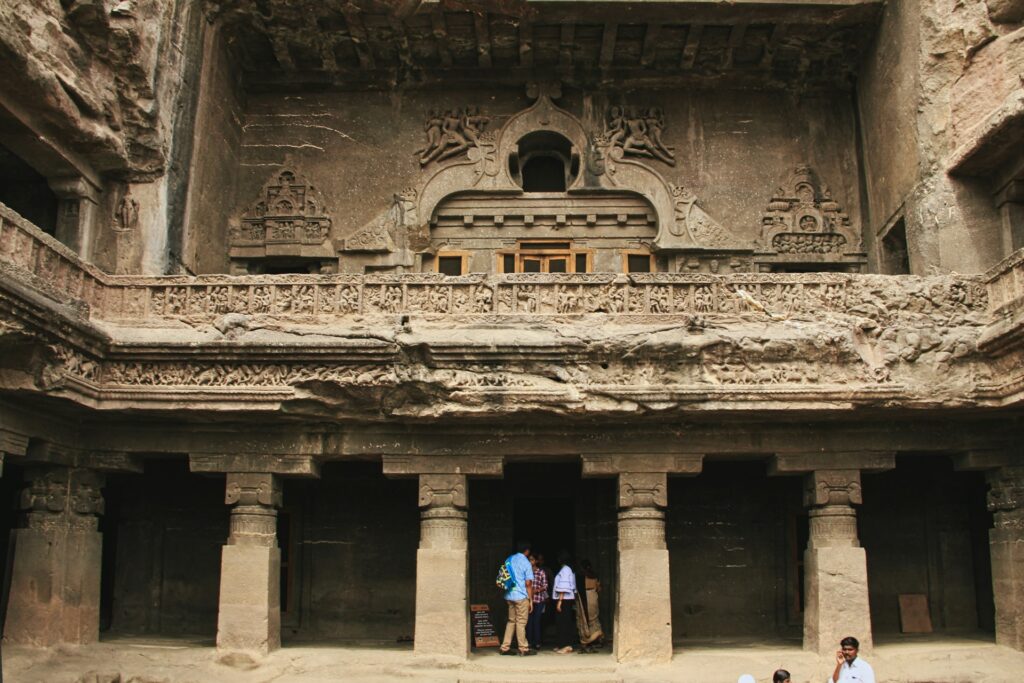
The Ajanta Caves, nestled in the rocky cliffs of the Sahyadri Hills in Maharashtra, India, stand as one of the most awe-inspiring examples of ancient Indian art, architecture, and religious devotion.
Carved between the 2nd century BCE and the 6th century CE, these caves are not only religious sanctuaries but also stunning art galleries that reflect the cultural richness of early Buddhist civilization in India. Recognized as a UNESCO World Heritage Site in 1983, the Ajanta Caves continue to mesmerize visitors with their detailed sculptures, intricate frescoes, and spiritual ambiance.
Location and Accessibility
The Ajanta Caves are located about 105 kilometers northeast of Aurangabad city, and around 60 kilometers from Jalgaon in Maharashtra. They are set in a horseshoe-shaped gorge along the Waghora River, which adds to the serene atmosphere. The nearest airport is Aurangabad, while Jalgaon and Bhusawal are the closest railway stations. From the base, tourists can take eco-friendly buses up to the caves, helping preserve the environment around the site.
Historical Background
The caves were constructed in two distinct phases:
1. First Phase (Hinayana Phase) – 2nd century BCE: The earliest group of caves (Caves 9, 10, 12, 13, and 15A) belongs to the Hinayana or Theravada Buddhist tradition. These were mainly used as monastic retreats and served as prayer halls (chaityas) and monasteries (viharas).
2. Second Phase (Mahayana Phase) – 5th to 6th century CE: The later phase was during the reign of the Vakataka dynasty, under Emperor Harisena. This period saw the flourishing of Mahayana Buddhism, and most of the elaborately painted and sculpted caves (such as Caves 1, 2, 16, and 17) were created during this time.
Ajanta fell into obscurity after the decline of Buddhism in India, only to be rediscovered by a British officer named John Smith in 1819 while on a tiger hunt.
Architecture and Layout
There are 30 caves at Ajanta, each carved directly into the rock face. The caves include:
5 chaitya-grihas (prayer halls): Caves 9, 10, 19, 26, and 29
25 viharas (monastic halls): Used by monks for study, meditation, and living quarters
Chaityas
These are long halls with a central nave flanked by columns and a stupa at the end. Cave 19 and 26 are remarkable examples from the Mahayana phase, with richly carved facades and interior decoration.
Viharas
The viharas contain a central hall with small cells for monks and shrines with sculptures of the Buddha. Cave 1 and 2 are especially famous for their ornate pillars, painted ceilings, and wall murals.
Art and Murals
The Ajanta paintings are perhaps the most celebrated feature of these caves. They were made using the tempera technique, where artists applied pigments over a dry plaster surface. The colors, derived from natural minerals, have retained their brilliance even after centuries.
Themes
The paintings mostly depict scenes from the Jataka tales—stories of the previous lives of the Buddha. These stories highlight moral values such as compassion, sacrifice, and wisdom.

Notable paintings include:
Cave 1: Features the Bodhisattva Padmapani and Vajrapani—two of the most iconic paintings in Indian art history.
Cave 2: Known for its intricate ceiling paintings and depictions of everyday life in ancient India.
Cave 17: Contains over 30 different Jataka stories, including the famous Vessantara Jataka.
These artworks provide an invaluable glimpse into the social, cultural, and spiritual life of ancient India.
Sculptures
In addition to paintings, Ajanta Caves are adorned with masterful stone sculptures. The images of the Buddha in various postures—meditating, teaching, or reclining—are beautifully detailed. The sculptures reflect the serenity and compassion of Buddhist philosophy.
Highlights:
Reclining Buddha in Cave 26: Represents the Mahaparinirvana or the final nirvana of the Buddha.
Bodhisattva images in Cave 1 and 2: Show high craftsmanship and devotion.
Religious Significance
Ajanta Caves were a major monastic center for Buddhist monks. They served as meditation centers during the monsoon season when monks avoided traveling. The caves were patronized by kings, merchants, and local nobles, showing the strong ties between religion and society.
The transition from Hinayana to Mahayana Buddhism is clearly visible in the architectural and artistic evolution of the caves. While early caves have symbols like the stupa to represent the Buddha, later caves include human depictions of the Buddha and celestial beings like Bodhisattvas, indicating the Mahayana influence.
Rediscovery and Conservation

After being hidden for nearly a millennium under dense forest cover, the caves were rediscovered in 1819. Since then, Ajanta has attracted scholars, artists, and historians from around the world.
The Archaeological Survey of India (ASI) and UNESCO have played significant roles in the conservation and restoration of the site. Because of the delicate nature of the paintings, photography using flash and touching the walls is strictly prohibited.
To reduce human impact, replicas of key caves have also been created in museums like the Prince of Wales Museum in Mumbai and Ellora-Aurangabad Caves Museum.
Ajanta vs. Ellora Caves
While both Ajanta and Ellora Caves are located near Aurangabad and often visited together, they are different in theme and chronology:
Ajanta is purely Buddhist and known for its paintings and meditative ambiance.
Ellora represents a mix of Buddhist, Hindu, and Jain religions and is more architectural and sculptural.
Ajanta is older than Ellora and considered more focused on inner spiritual reflection, whereas Ellora showcases religious integration and grandeur.
Tourism and Visitor Tips
Ajanta Caves attract thousands of visitors each year. To enjoy the site fully:
Visit in cooler months: Between November and February.
Wear comfortable shoes: There’s a fair amount of walking and some climbing.
Hire a guide: A knowledgeable guide can enrich your visit by explaining the stories behind each cave.
Avoid peak afternoon hours: The site can get hot and crowded.
Respect the site: Do not touch the walls or use camera flash inside.
Ajanta in Popular Culture and Legacy
The artistic legacy of Ajanta inspired Indian artists like Nandalal Bose and Abanindranath Tagore during the Indian renaissance. The caves have been featured in documentaries, books, and even Indian currency, emphasizing their importance in Indian identity.
Modern scholars view Ajanta not just as a religious site, but as a museum of Indian classical art, a visual encyclopedia of early Indian culture, dress, architecture, and values.
Conclusion
The Ajanta Caves are more than just a historical site—they are a living narrative of India’s spiritual depth and artistic brilliance. From the rhythmic carvings in stone to the vibrant frescoes narrating timeless stories, Ajanta continues to be a bridge between the past and the present. Whether you are a history buff, an art lover, or a spiritual seeker, a visit to Ajanta offers an experience that resonates far beyond the physical journey. It is a monument not only to Buddhism but to the eternal human quest for beauty, truth, and transcendence.
FAQ on Ajanta Caves
1. Where are the Ajanta Caves located?
Ajanta Caves are located near Aurangabad in Maharashtra, about 105 km from the city. They sit in a horseshoe-shaped gorge along the Waghora River.
2. Why are the Ajanta Caves famous?
They are renowned for their breathtaking Buddhist rock-cut caves, ancient murals, frescoes, and sculptures belonging to the 2nd century BCE to 6th century CE. The art is considered a masterpiece of Indian classical painting.
3. How many caves are there in Ajanta?
There are 30 caves, including monasteries (Viharas) and prayer halls (Chaityas).
4. Which period do the caves belong to?
The caves were developed in two phases:
- Hinayana Phase: 2nd century BCE
- Mahayana Phase: 5th–6th century CE
5. What is the significance of the paintings?
The murals depict scenes from the Jataka Tales, Buddha’s life, and day-to-day ancient Indian culture. They show exceptional techniques in shading, composition, and storytelling.
6. How much time does it take to explore Ajanta Caves?
Typically 3–4 hours for a comfortable visit; art lovers may need 5–6 hours.
7. What is the best time to visit Ajanta Caves?
From November to February, when the weather is cool and pleasant. Avoid peak summer afternoons.
8. Are guides available at the site?
Yes, certified guides are available and are recommended to understand historical and artistic details.
9. Is photography allowed inside the caves?
Photography without flash is allowed. Flash is prohibited to protect the ancient paintings.
10. How do I reach Ajanta Caves?
- By Air: Nearest airport is Aurangabad (105 km).
- By Train: Jalgaon (60 km) and Aurangabad are nearest stations.
- By Road: Good connectivity via NH-53. State buses and taxis are available.
v11. Are Ajanta Caves wheelchair-friendly?
The terrain is uneven, and many caves require climbing steps; accessibility may be limited.
12. What are the visiting hours?
Open 9:00 AM to 5:00 PM, closed on Mondays. (Timings may vary slightly seasonally.)
13. Is there any entry fee?
Yes, there is a nominal fee for Indian and foreign visitors. Children below 15 years are usually exempt.
14. Can I visit both Ajanta and Ellora in one day?
Not recommended. Each site deserves at least half a day; visiting both in a single day can feel rushed.
15. What should I carry for the visit?
Comfortable shoes, water, a hat, and a good camera (without flash). Avoid large bags as walking is required.
0 Comments