Majuli island is famous for, Assam – A Hidden Gem of Indian Tourism

Introduction
Majuli Island, nestled in the mighty Brahmaputra River in Assam, is the world’s largest river island and a cultural treasure trove of northeastern India. Spanning over 350 square kilometers, this pristine island offers a unique blend of natural beauty, vibrant culture, rich heritage, and spiritual serenity. As Assam’s pride, Majuli is a hotspot for eco-tourism and a must-visit destination for those seeking an offbeat and immersive travel experience.
Geography and Location
Majuli is located about 20 kilometers from the city of Jorhat in Assam. Formed by the shifting courses of the Brahmaputra River and its tributaries, the island is primarily composed of alluvial soil. Over time, due to erosion, Majuli’s size has decreased significantly, but its charm remains intact.
Majuli can be reached via a short ferry ride from Neemati Ghat, which adds a rustic, adventurous element to the journey.
History and Cultural Significance
Majuli has been the cultural capital of Assamese civilization since the 16th century. The island gained prominence when Srimanta Sankardeva, a revered saint and reformer, established the neo-Vaishnavite movement here. He founded Satras—monastic institutions that became centers of religion, art, music, and dance. His disciple, Madhavdeva, further expanded this cultural revolution.
Today, over 20 active Satras still exist in Majuli (out of the original 65), preserving centuries-old traditions. These Satras are not only spiritual centers but also function as guardians of Majuli’s heritage, offering insights into age-old practices, classical dances like Sattriya, and traditional music.
Top Tourist Attractions in Majuli
1. Satras (Monasteries)
The spiritual lifeline of Majuli, the Satras are a must-visit for anyone touring the island. Some notable ones include:
Auniati Satra: Famous for its collection of ancient artifacts and antiques.
Kamalabari Satra: Known for Sattriya dance and classical performances.
Dakhinpat Satra: An important site for the celebration of Raas Leela.
Visitors are welcome to interact with monks, watch cultural performances, and sometimes even stay overnight.
2. Raas Leela Festival
Held in November, this is the biggest cultural event on the island. It enacts the life of Lord Krishna through music, dance, and drama. The festival attracts thousands of visitors and is a spectacle of devotion and artistry.
3. Mishing Tribal Villages
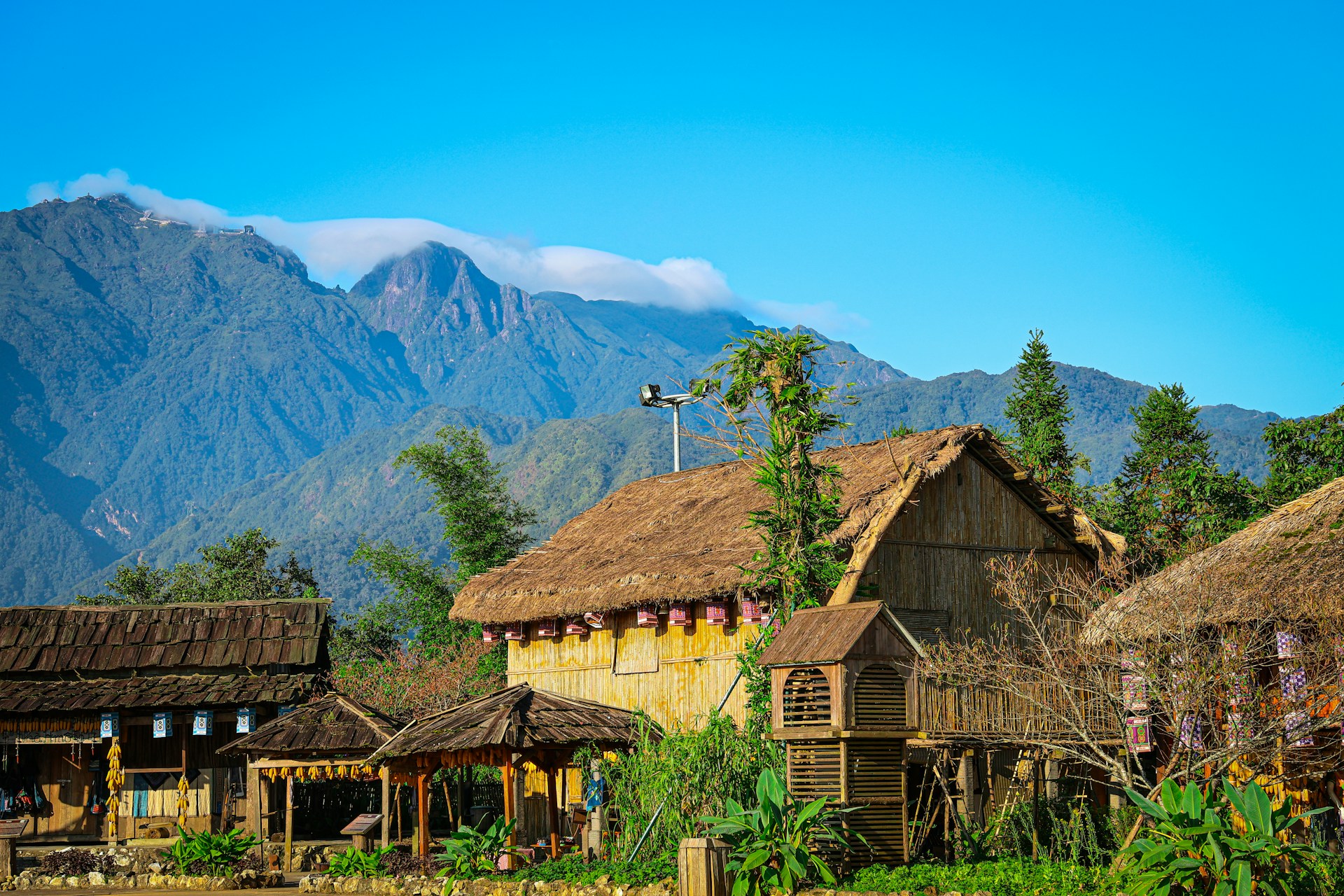
The Mishing tribe is the largest ethnic group in Majuli. Visiting their stilted bamboo homes and experiencing their lifestyle, traditional weaving, and cuisine offers a unique cultural perspective.
4. Natural Beauty & Bird Watching
Majuli is a paradise for nature lovers and bird watchers. The wetlands and marshes attract migratory birds like:
Pelicans
Storks
Siberian cranes
Whistling teals
The island’s flora, scenic landscapes, and peaceful ambiance are perfect for eco-tourism.
5. Pottery and Mask Makin
Majuli is known for its traditional pottery and mask-making practices. The Samaguri Satra is famous for crafting intricate masks used in Raas Leela performances. Tourists can watch artisans at work and even try their hand at mask-making.
Things to Do in Majuli

Cycle or walk through the villages for an authentic rural experience.
Attend a Sattriya dance performance.
Try Assamese cuisine, especially fish curries, rice beer (Apong), and tribal dishes.
Stay in bamboo huts or eco-resorts for an immersive, sustainable experience.
Participate in agricultural activities during farming seasons.
How to Reach Majuli
By Air: The nearest airport is Jorhat Airport (Rowriah Airport), about 20 km from Neemati Ghat.
By Train: Nearest railway station is Jorhat Town.
By Ferry: From Neemati Ghat, ferries run twice a day to Kamalabari Ghat in Majuli.
(Note: Ferry services may be limited during monsoon months, so check schedules in advance.)
Best Time to Visit
The best time to visit Majuli is October to March, when the weather is pleasant and festivals like Raas Leela and Ali Ai Ligang (Mishing harvest festival) take place. The monsoon season (June–September) can cause flooding, making travel difficult.
Accommodation in Majuli
Majuli offers a variety of eco-friendly and traditional lodging options, including:
La Maison de Ananda – A popular bamboo cottage stay.
Okegiga Homes – Eco-tourism cottages near the river.
Government Tourist Lodge – Basic facilities with local meals.
Most accommodations focus on sustainability and cultural integration, giving tourists a chance to live the Majuli way.
Challenges and Conservation Efforts
One of Majuli’s biggest challenges is riverbank erosion, which threatens its very existence. The island has lost more than one-third of its land area over the past century.
The Assam government, along with environmental organizations, is working on conservation efforts such as:
Plantation of trees to prevent erosion
Promoting eco-tourism to create awareness
Proposals to declare Majuli as a UNESCO World Heritage Site
Why Visit Majuli?
Majuli is not your typical tourist destination. It’s not about five-star comforts or bustling crowds. It’s about tranquility, culture, and connection with nature. Whether you’re a solo traveler, a photographer, a spiritual seeker, or someone looking for cultural richness, Majuli has something to offer.
Travel Tips
Carry cash; ATMs are limited on the island.
Be respectful at Satras—remove shoes, and dress modestly.
Use eco-friendly products to protect the island’s fragile environment.
Learn a few Assamese or Mishing phrases—it helps build rapport.
Book ferry tickets and accommodation in advance, especially during festival times.
Conclusion
Majuli Island is not just a place—it’s a living heritage, a community, and a symbol of resilience. In a world racing towards modernization, Majuli invites you to slow down, soak in its calmness, and appreciate the beauty of simplicity. As Assam’s cultural crown jewel, it remains one of India’s most soulful and inspiring travel experiences.
Here is a crisp, helpful FAQ on Majuli Island — perfect for
FAQ on Majuli Island
1. Where is Majuli Island located?
Majuli is located on the Brahmaputra River in Assam, and is known as one of the world’s largest river islands.
2. Why is Majuli famous?
Majuli is renowned for its serene natural beauty, vibrant Neo-Vaishnavite culture, ancient Satras (monasteries), colourful festivals, and its status as an eco-friendly, pollution-free destination.
3. How do I reach Majuli Island?
You can reach Majuli by taking a ferry from Nimati Ghat in Jorhat. Jorhat is well connected by road, rail, and air to major cities in Assam.
4. What is the best time to visit?
The best time to visit Majuli is October to March, when the weather is cool, pleasant, and ideal for outdoor exploration.
5. What are the top attractions to see in Majuli?
- Kamalabari Satra
- Auniati Satra
- Dakhinpat Satra
- Mishing tribal villages
- Birdwatching points
- Salmara pottery village
6. Is Majuli good for culture lovers?
Yes! Majuli is the heart of Assamese Vaishnavite culture, known for devotional dance, mask-making, traditional crafts, and ancient monastic traditions.
7. Can I stay overnight in Majuli?
Yes, Majuli offers eco-resorts, bamboo cottages, and homestays that provide an authentic and peaceful rural experience.
8. Is Majuli safe for tourists?
Absolutely. It is a very safe and friendly destination for solo travelers, families, and couples.
9. What foods should I try in Majuli?
Try local Assamese and Mishing delicacies like:
- Pitha
- Fish tenga
- Rice beer (Apong)
- Smoked fish
- Bamboo shoot dishes
10. How many days are enough for Majuli?
A 1–2 day trip is ideal for exploring major Satras, villages, and enjoying a relaxed island vibe.
11. Does Majuli face floods?
Yes, being on the Brahmaputra, Majuli experiences seasonal flooding during monsoon (June–September), which is not an ideal time to visit.
12. Is photography allowed in Satras?
Photography is generally allowed outdoors, but may be restricted during rituals or performances. Always ask for permission.
13. What unique experiences should I not miss?
- Watching sunrise over the Brahmaputra
- Visiting mask-making workshops in Samaguri Satra
- Cycling through lush village trails
- Interacting with the Mishing community


0 Comments